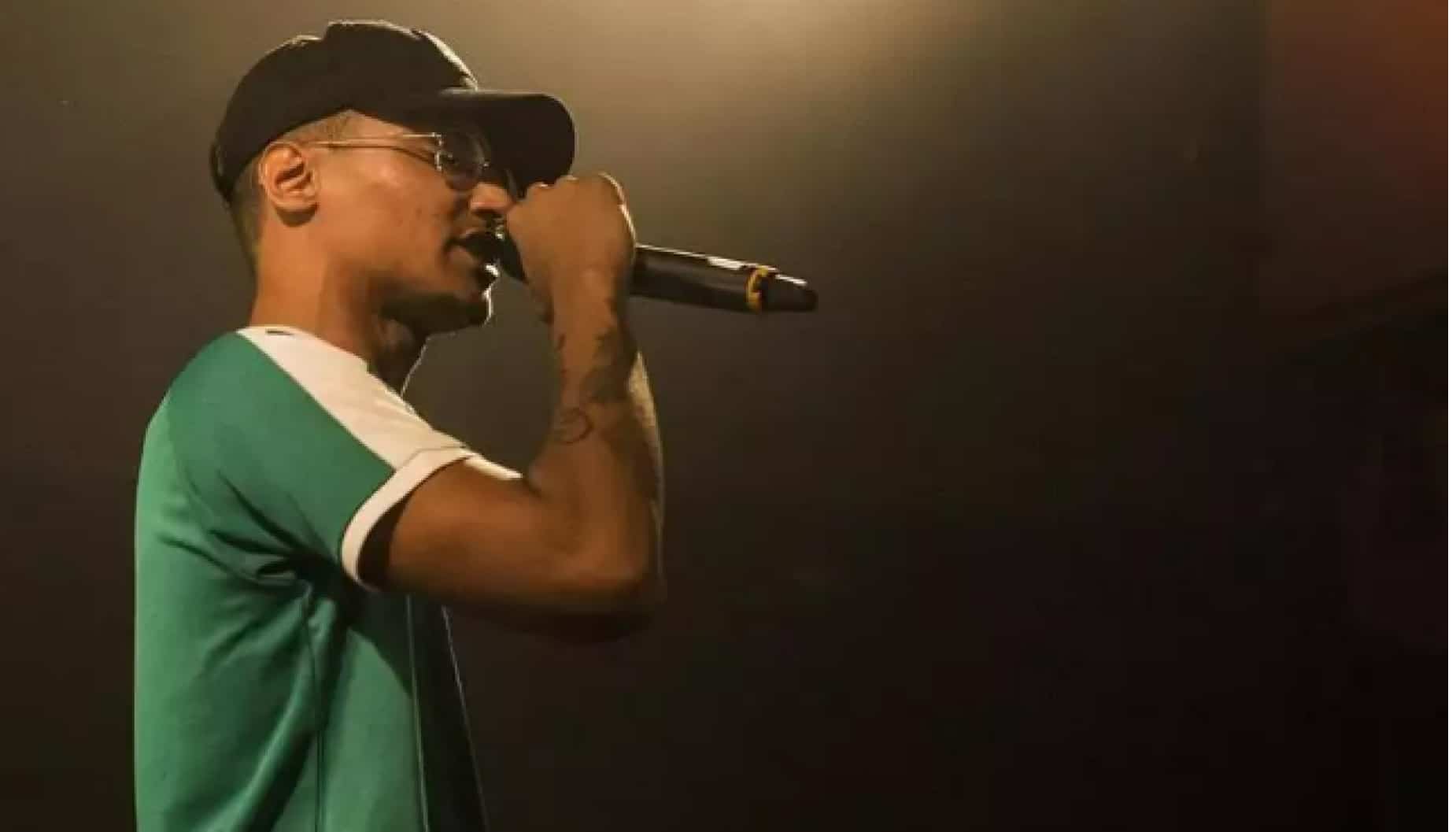
Freeze Corleone Faces New Legal Battle Over Alleged Antisemitic Content at Dijon Show
French rapper Freeze Corleone is once again at the center of a legal storm, following a complaint filed after his concert in Dijon on November 29. The public prosecutor's office in Dijon announced the initiation of an investigation into charges of "public antisemitic insult" and "public incitement to hatred or violence," casting a fresh spotlight on the contentious intersection of artistic expression and hate speech. This development marks a significant turn in the ongoing debate surrounding the responsibility of artists and the vigilance required to combat prejudice, especially when an alleged chanson antisémite plainte becomes a matter of public and legal scrutiny.
The Dijon Incident: A Concert Under Scrutiny
The concert in question, held as part of a local Hip-Hop festival organized by the "Impact" association, drew an audience of approximately 2,000 people. While Freeze Corleone had previously commanded much larger crowds, including 12,000 attendees at recent shows in Paris and Lille, the Dijon event has unfortunately gained notoriety for different reasons. According to Olivier Caracotch, the Public Prosecutor of Dijon, the concert "was notably the occasion for the diffusion of passages, texts, and clips of songs judged antisemitic."
These allegations quickly led to the filing of a formal complaint, signaling a proactive stance by judicial authorities. The investigation has been entrusted to the interregional judicial police of Dijon, underscoring the gravity with which these accusations are being treated. Furthermore, the International League Against Racism and Antisemitism (LICRA), a prominent organization dedicated to combating discrimination, has officially joined the proceedings as a civil party. This move by LICRA signifies their commitment to ensuring that alleged instances of hate speech are thoroughly investigated and prosecuted, reinforcing the societal pushback against such content.
A Familiar Echo: Freeze Corleone's Past Encounters with Justice
This isn't Freeze Corleone's first brush with legal challenges concerning the content of his music. In November 2020, the rapper was the subject of an investigation for "apology for terrorism" and "racist insult" following the release of several music videos. These previous allegations stemmed from lyrics and imagery that raised serious concerns among anti-racism groups and government officials alike.
At the time, then-Minister of the Interior Gérald Darmanin publicly denounced what he called "unacceptable remarks" made by the rapper. Among the widely cited examples was a lyric where Freeze Corleone reportedly stated, "Every day R. Kelly sequesters minors, but it's always Jews who are behind." This particular lyric, and others, sparked a national conversation about the boundaries of artistic freedom and the potential for incitement to hatred. Despite the initial uproar and political condemnation, the 2020 investigation was ultimately closed without further action in March 2021, with most of the infractions deemed "not characterized" by prosecutors.
The current complaint, however, revives these past controversies and brings the rapper's content back into sharp focus. The decision to pursue a new investigation indicates that authorities and civil society organizations remain vigilant, particularly regarding the public dissemination of content that could be perceived as promoting antisemitism or hatred.
Beyond the Stage: The Broader Fight Against Antisemitism in Digital Spaces
The legal action against Freeze Corleone in Dijon is part of a broader, ongoing battle against antisemitic content, especially in the digital realm. The internet and social media platforms have regrettably become fertile ground for the proliferation of hate speech, making the work of watchdog organizations more critical than ever.
One striking parallel illustrating this wider struggle involves a separate incident where a complaint was filed by the National Bureau of Vigilance Against Antisemitism (BNVCA) against a video circulating on Dailymotion. This video featured a montage of photos of Jewish personalities, real or perceived, set to an old antisemitic song from the 1930s titled "La noce à Rébecca." The song itself, a relic of pre-war antisemitism, depicted Jewish wedding attendees as "dirty, vulgar, and thieves," perpetuating harmful stereotypes.
BNVCA President Sammy Ghozlan described the video as an "antisemitic photographic list" and lodged a complaint against both Dailymotion and the video's creator, also referring the matter to the Superior Audiovisual Council (CSA) to demand stricter control over the platform. This highlights the complex legal landscape for online platforms, which often claim the status of "hosts" rather than publishers, only acting to remove infringing content *a posteriori* when it is reported.
This ongoing situation involving Freeze Corleone, and particularly the focus on the alleged chanson antisémite plainte, echoes a wider struggle against hate speech, particularly online. Organizations like the BNVCA, alongside LICRA, as highlighted in articles such as Online Antisemitism: BNVCA and Licra Combat Hateful Digital Content, play a crucial role in monitoring, reporting, and legally challenging such content across various mediums, from concert stages to video-sharing platforms. Their actions underscore a clear message: while freedom of expression is a fundamental right, it does not extend to the promotion of hatred or discrimination.
The Intersection of Artistic Expression and Legal Responsibility
The cases involving Freeze Corleone and the Dailymotion video bring to the forefront the delicate balance between artistic freedom and legal responsibility. In France, laws against public insult and incitement to hatred are robust, reflecting a societal commitment to protecting minority groups from discrimination and violence. These laws are designed to prevent the normalization of prejudice and to hold individuals accountable for content that crosses the line into hate speech.
Artists, especially those with significant public platforms and hundreds of thousands of followers on social media like Freeze Corleone, wield considerable influence. Their words and imagery can shape perceptions and either challenge or reinforce existing biases. When content is deemed to promote antisemitism, even implicitly, it can have real-world consequences, contributing to a climate of intolerance and fear. This is particularly true in an era where information, and misinformation, spreads rapidly across digital networks.
The ongoing legal proceedings will undoubtedly delve into the specific context of the alleged antisemitic content presented at the Dijon concert. It will examine whether the intent behind the content falls under protected artistic expression or constitutes a violation of French law concerning hate speech. This is not merely about censorship but about defining the boundaries of responsible public discourse in a diverse and democratic society.
For platforms, the lesson from the BNVCA's actions against Dailymotion is clear: while their "host" status grants them certain legal protections, there is increasing pressure and legal precedent for them to take more proactive measures against illegal content. Relying solely on a reactive reporting system may no longer be sufficient in the face of widespread and dangerous hate speech.
Conclusion
The new legal battle involving Freeze Corleone over alleged antisemitic content at his Dijon concert represents a critical moment in the ongoing efforts to combat hate speech in France. With a formal complaint filed for "public antisemitic insult" and "public incitement to hatred or violence," and with LICRA joining the case, the judicial system is poised to meticulously examine the allegations. This incident, alongside other cases targeting online antisemitism, underscores the unwavering determination of legal authorities and civil society organizations to uphold the principles of equality and respect. The outcome of this investigation will not only have significant implications for Freeze Corleone but will also contribute to shaping the discourse around artistic responsibility and the persistent fight against prejudice in all its forms.